How Cultural Differences Shape Bluffing Techniques in International Live Dealer Poker Events
Written by Lars Becker · Sep 29, 2026

How Cultural Differences Shape Bluffing Techniques in International Live Dealer Poker Events
International live dealer poker events bring together participants from varied backgrounds where cultural norms influence how individuals approach bluffing, and observers note that these patterns appear consistently across major tournaments held each year including those scheduled for September 2026.
Regional Variations in Bluffing Approaches
Players raised in East Asian contexts frequently employ indirect bluffing methods that rely on minimal physical tells combined with timing adjustments since direct confrontation often conflicts with cultural preferences for harmony and restraint according to analyses from the PokerStars European Tour reports and researchers have documented how these individuals use smaller bet sizes during bluffs to maintain ambiguity rather than aggressive overbets common elsewhere.
European participants on the other hand tend to integrate storytelling elements into their bluffs by building narratives through consistent betting patterns across multiple streets while observers have recorded that this approach draws from historical card-playing traditions in countries like France and Germany where psychological layering forms a core part of strategy development.
Live Dealer Dynamics and Cross-Cultural Interactions
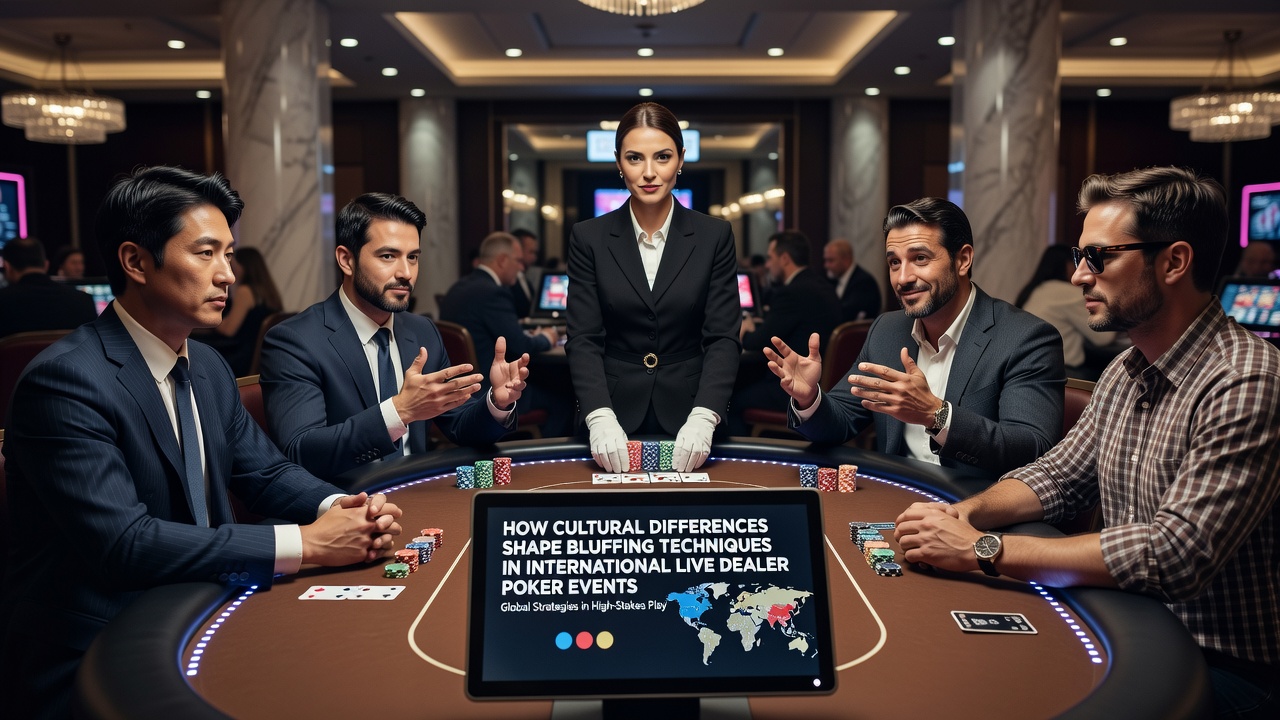
Live dealer formats amplify these differences because dealers and opponents can read visible reactions in real time yet the international mix creates situations where one player's expected bluff signal might register as genuine to someone from another region and data from multi-nation events shows that misreads occur more frequently when tables feature participants from both high-context and low-context communication cultures.
North American styles often feature bold verbal interactions alongside betting actions since many players incorporate table talk as part of the bluff execution and this contrasts sharply with quieter approaches from other continents where silence serves to heighten uncertainty during critical hands.
Evidence from Tournament Data
Studies conducted by academic groups at institutions in Canada and Australia reveal that success rates for certain bluff types correlate with the cultural composition of the table and figures from events spanning 2024 through 2026 indicate that mixed tables produce higher variance in outcomes compared to regionally homogeneous ones because players must adapt their timing and sizing on the fly.
One documented pattern involves Latin American participants who blend expressive gestures with calculated aggression during bluffs and this method leverages cultural comfort with animated communication to unsettle opponents while quantitative reviews of hand histories confirm that such techniques yield measurable advantages when facing reserved styles from Northern Europe or East Asia.
Adaptation Strategies in September 2026 Events
Preparations for September 2026 tournaments already incorporate training modules that address these cultural factors through simulation exercises and event organizers report increased interest in cross-cultural strategy sessions as participation numbers from multiple continents continue to rise and this preparation helps participants recognize when a bluff attempt stems from cultural default rather than individual intent.
Regulatory bodies in various jurisdictions track these trends through participation statistics though enforcement focuses primarily on fair play standards rather than stylistic analysis and available records show steady growth in international fields without corresponding spikes in disputes related to cultural misunderstandings.
Conclusion
Overall the intersection of culture and bluffing in live dealer poker continues to evolve as global events expand and those who study tournament records find that awareness of regional tendencies improves decision accuracy across diverse tables while quantitative data supports the persistence of distinct techniques shaped by upbringing and social norms.